


LANDLORD NEWSLETTER
End-of-the-Year 2025
-1.jpg)

HOLIDAY OFFICE CLOSURE
Christmas: Thursday, December 25th
New Year: Thursday, January 1st

We’re always looking for ways to give our clients more clarity, control, and confidence when it
comes to their investments. That’s why we’re excited to introduce our partnership with Blanket,
a new platform designed to put the full picture of your real estate portfolio right at your fingertips.
With Blanket, you’ll be able to view the status of your properties at a glance - whether it’s
financial performance, occupancy updates, or maintenance costs, everything you need to know
is presented in a clear, streamlined dashboard. No more trying to combine information from
multiple places on your own - we've taken care of that for you by providing simple, real-time
insight into how your investments are performing.
But this new technology is only part of the story. With us, you’re not just getting a property
management company that handles the day-to-day details—you’re also getting an asset
management team that sees the bigger picture of your portfolio’s growth and long-term value.
That means we’re not only making sure the lights stay on and the rents get paid; we are here to
assist you in making strategic decisions throughout the year to help your properties work harder
for you.
Think of it this way: property management keeps your investment running smoothly, while asset
management ensures it’s headed in the right direction. When you combine both under one roof,
backed by a platform like Blanket, you’re not just hiring a service—you’re adding a powerful,
indispensable tool to your investor toolbox.

The Rise of the ‘Accidental Landlords’
and What This Means for Renters in
These Desirable Metros
Sept 30, 2025 – Realtor.com
After living two years in Dallas, Garret Johnson was offered a new job
in Houston, meaning he would have to sell his house. He thought it would
be easy—but like many sellers in the market right now, he ultimately
decided to delist his place.
“There weren’t many buyers, just lookers, and people were biding their
time waiting for better rates,” Johnson told CNBC. There was "a lot of
economic uncertainty in those months, March and April, that we had
listed the house, so I think that played a factor as well.”
After a few months, Johnson decided to try putting his home up for rent, a
decision many homeowners in his area, as well as other previously popular
metros, are making. Rather than selling their home at a loss—or at least
for a lot less than they think their house is worth—homeowners are
dipping their toes into the rental market, much to the chagrin of
institutional investors in the rental space.
Delistings surge nearly 50% as sellers
quit the market in frustration
Delistings jumped 47% nationally in May from a year earlier, according to
the Realtor.com® economic research team's latest monthly housing
trends report. Year to date, delistings are up 35% from the same period in
2024.
"This year’s market is a study in contrasts," says Danielle Hale, chief
economist at Realtor.com. "Buyers are seeing more choices than they’ve
had in years. But many sellers, anchored by peak price expectations and
upheld by strong equity positions, are deciding to step back if they don’t
get their number."
Institutional investors with portfolios exceeding 50,000 homes remain
heavily concentrated in just a handful of U.S. metros.
According to a Parcl Labs analysis, more than a third of each company's
holdings are located in six metro areas: Atlanta; Phoenix; Houston, Tampa,
FL; Charlotte, NC, and Dallas. These markets have posted inventory
increases of 20% or more over the past year, much of it driven by former
owner-occupied homes coming to market, according to the analysis.
“When these home sellers cannot find buyers, they face three choices:
delist and wait, cut price to find market clearing level, or convert to rental.
The last option creates what Parcl Labs terms ‘accidental landlords’:
Owners who enter the single-family rental market not by design, but by
necessity,” wrote Jesus Leal Trujillo, principal data scientist at Parcl Labs,
in the report.
"Many sellers are anchoring their asking prices to the record highs of a
few years ago, when inventory was scarce and mortgage rates were far
lower, but are now finding little interest from today’s more cautious
buyers," adds Hannah Jones, senior economic research analyst with
Realtor.com.
"As a result, listings are increasingly going stale, facing price cuts, or being
pulled from the market entirely, with some sellers opting to rent out their
homes instead."
The reality of being a landlord
Jones notes that sellers in Dallas are in a “challenging position” compared
with a few years ago. With for-sale inventory nearly 40% higher in the
Dallas metro in June compared with one year ago, sellers need to be
“flexible to attract buyer attention”.
Perhaps that's why, despite struggling to find a buyer for his home,
Johnson had his choice of offers within a few days of listing his place for
rent.
Unfortunately, the rent doesn’t fully cover his mortgage. In order to lower
his payments to meet the rent, he’s had to recast his loan and put more
equity back into the home.
Now, he told CNBC, he doesn’t expect to sell for several years.
“I’ve gotten to be creative, and hopefully the goal is, in the next few years,
to start to turn a profit on the month-to-month basis of the rent versus
mortgage,” he said.
Profit is the name of the game for homeowners, whether it be selling their
home or renting it out.
"Unlike past housing cycles where falling prices pressured underwater
homeowners to sell, today's homeowners benefit from record-high levels
of home equity, so they have the flexibility to wait it out," says Realtor.com
Senior Economist Jake Krimmel. "This allows many sellers to withdraw
their homes from the market if their asking price isn't met."
A good deal for renters?
The aftermath of sellers switching gears from letting properties go to
renting them out is two-fold. First, it severely limits the inventory
available for buyers.
The Realtor.com Housing Forecast Midyear Update released in July
provided revised projections for trends in mortgage rates, home sales, and
home prices in 2025, and the fear is that home sales will fall to a
new three-decade low in 2025.
There was an expected bump in home sales, but that hasn’t quite
happened. Even with more homes hitting the market, high mortgage rates
and record prices are still keeping many buyers on the sidelines.
Second, while the expansion of the single-family rental market does offer
them more options, renters shouldn't expect to save a ton of money.
“You’re not going to see big reductions in rent," Haendel St. Juste, a
senior equity research analyst at Mizuho Securities, told CNBC.
However, with more competition, institutional investors might be forced
to do away with 4% or 5% increases on your rent.
"Maybe it’s just 1% to 2% in some cases,” he added.
Rental prices today
Rents in the top 20 U.S. markets for single-family homes are expected to
rise 0.8% this year, according to John Burns Research & Consulting. That
would be the slowest pace since 2011, when job losses caused by the global
financial crisis made it hard to increase rent.
With so many young people still priced out of the market and stuck
renting, investors of rental properties should be flooded with applications.
And yet, with the rental supply being bolstered by home owners unwilling
to settle for selling for less and renting out instead, not only only does this
create more competition, but it's keeping rent prices more reasonable.
For instance, the number of homes for sale in Dallas and Tampa in August
was 25% and 39% higher, respectively, than in August 2019. Then again,
rental listings were also up significantly in both markets.
“Historically, when the for-sale market slows and there is lots of inventory
but not much demand, you get leakage into the single-family rental
industry,” Rick Palacios, director of research at John Burns Research &
Consulting, told the Wall Street Journal.
These Four States Have Been Earning the Most Profit for Investors
Bigger Pockets - November 2025
The real estate market has flipped from where we’ve been in recent years, and there is loads of
data to show it.
Rent To Retirement’s research team has evaluated hundreds of deals, looking specifically at rent-
to-price ratios, landlord laws, and appreciation trends. The goal is to find states where your
money works harder without you needing a hammer, a spreadsheet, or a 2 a.m. call about a water
leak.
Let’s walk through what the numbers are saying.
Why Yields Matter
Seasoned investors know that wealth is not built on flashy “what it might be worth someday”
numbers, but on yield, the steady income your property actually produces right now.
Yield is your return after rent, expenses, and surprises (I’m looking at you, water heater). It is
what remains after the mortgage, taxes, insurance, and maintenance are paid. Think of it as your
property’s paycheck to you.
For example, let’s say you buy a home for $300,000, and it rents for $2,100 per month. In this
case, you would have about a 0.7% monthly yield, or 8.4% annually before expenses. The higher
the yield, the better your cash flow is right now, and the less you rely on home prices increasing
(and eventually selling) to make your money.
Yield is what keeps your portfolio healthy when interest rates rise or prices cool off. It is the
difference between owning an investment that pays you each month and one that only looks good
on Zillow.
The Top States For Yield
.png)
Texas
Everything really is bigger in Texas, including the rental market. The state added almost half a
million new residents in 2024, according to the Census Bureau. Dallas-Fort Worth alone created
more than 140,000 new jobs.
For investors, that means steady population growth, rising rents, and no state income tax. Median
home prices hover around $345,000 as of June 2025. Average monthly rents are about
$2,400. This would create a 0.7% monthly yield before appreciation or tax benefits.
Rent To Retirement investors are finding opportunities in cities like Waco, San Antonio, and
Houston. Builders are offering incentives, tenants love new homes, and investors are collecting
consistent rent without constant repairs.
Florida
Florida is the state that never seems to cool off. In 2024, the Florida Chamber of Commerce
forecasted that Florida would gain between 225,000 and 275,000 new residents. The population
is more than just retirees and your classic snowbirds these days. Remote workers, young
families, and business owners are all chasing sunshine and opportunity.
Median home prices are around $415,000, and average monthly rents are near $2,300. That gives
investors a healthy return while property values continue to grow.
Rent To Retirement highlights cities like Ocala, Cape Coral, and Jacksonville. These markets are
affordable, expanding, and in high demand from long-term tenants.
Indiana
Indiana may not make flashy headlines, but it consistently delivers results. Median home prices
are around $251,000, and average rents are about $1,450.
Indianapolis, Fort Wayne, and Lafayette have become reliable cash flow centers thanks to stable
jobs in healthcare, logistics, and manufacturing. For investors who like predictability, Indiana is
quietly one of the strongest performers in the country.
You Might Also Like
Housing Markets
5 Southeastern Cities Set to Boom For Investors Next Year
Housing Markets
The Best Long-Term Rental Markets According to the Data (and Common
Sense)
Housing Markets
The Five States With the Most Affordable Landlord Insurance Rates
Housing Markets
12 Markets Where You Can’t Go Wrong With a Rental
Georgia
Atlanta often grabs attention, but Georgia’s smaller metros are outperforming this major metro.
Cities like Macon and Warner Robins offer home prices near $169,000 and rents around $1,400.
Georgia ranks high on Rent To Retirement’s list due to strong job
growth, continuous population inflow, and a balance of affordability and rent strength. For
investors looking for stable, long-term tenants, Georgia checks every box.
What These States Have in Common

Each of these markets shares three traits that separate it from the rest of the country:
1. Population growth. Texas and Florida alone made up more than one-third of total
U.S. population growth last year.
2. Landlord-friendly laws that allow investors to manage efficiently and protect their
assets.
3. Affordability and healthy rent levels that make properties cash flow from day one.
Rent To Retirement focuses exclusively on markets that meet these criteria. Their goal is to find
states where properties perform and investors can scale their portfolios confidently.
Why Turnkey Matters
Some investors love the challenge of a fixer-upper. But if you’re investing out of state (or even
in-state), you may be sitting on your asset without making returns as you wait to finish your
project. The BRRRR model is tried and true, but it can be extremely stressful if you’re hoping to
cash flow right away.
Rent To Retirement solves that problem with its turnkey model. Every property is newly built or
fully renovated, professionally managed, and tenant-ready.
Investors benefit from:
Immediate rental income, with no rehab delays
Professional local management teams
Financing options through RTR’s network
Accurate rental projections backed by data
This approach turns real estate investing into something repeatable and scalable. You pick the
market, and Rent To Retirement handles the heavy lifting, so you can start earning income
without trading your time for maintenance calls and lengthy fixer-upper projects.
The 2026 Playbook
Real estate headlines may be filled with panic about high rates or affordability, but the numbers
tell a different story. Across Rent To Retirement’s network, investors are earning annual cash-on-
cash returns between 8% and 12% in select markets.
As you look to grow your own portfolio, it’s important to invest where the math makes the most
sense—not where the hype is the loudest. The Midwest, Southeast, and Sunbelt remain the best
regions for combining affordability, rent strength, and long-term growth. These are the places
where your money works while you sleep.
Going into 2026, investors are winning in states like Texas, Florida, Indiana, and Georgia. Yields
are strong, tenants are plentiful, and growth is steady. Rent To Retirement is already positioned
in these markets, helping investors build portfolios that generate real cash flow and long-term
appreciation.
Working with Rent To Retirement is real estate made simple. No stress, no guesswork, no late-
night phone calls about broken faucets. Just modern homes in high-performing states, managed
by experts who understand how to turn data into dollars.
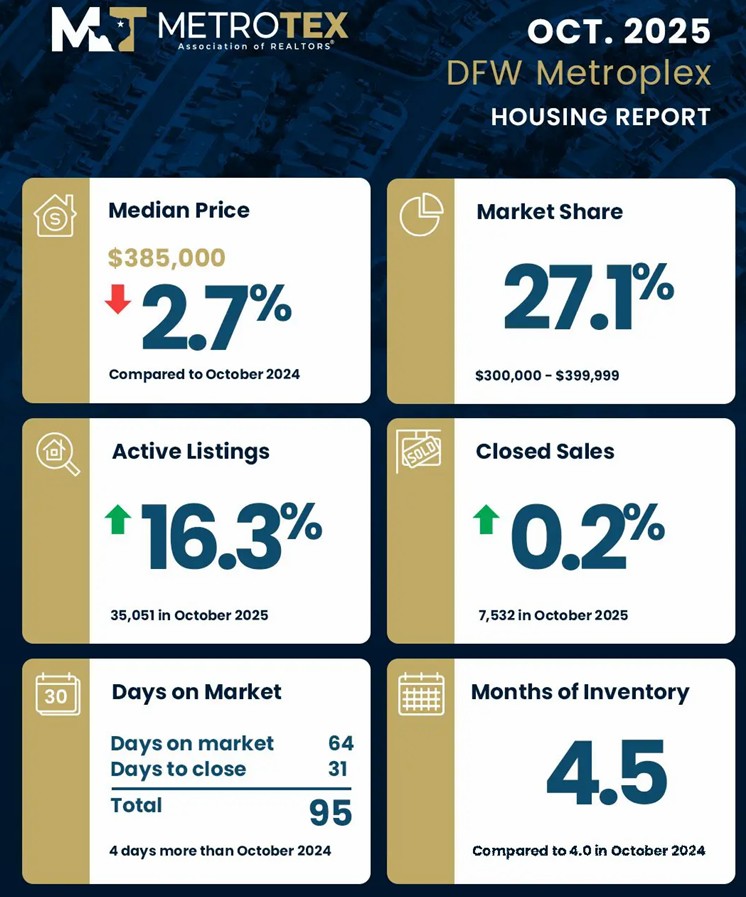
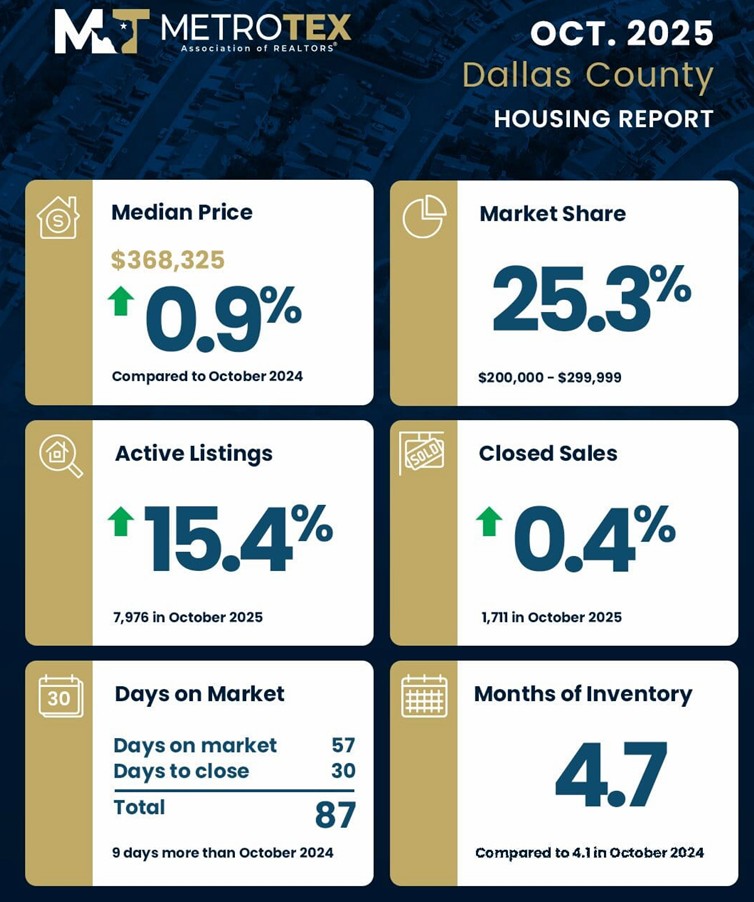
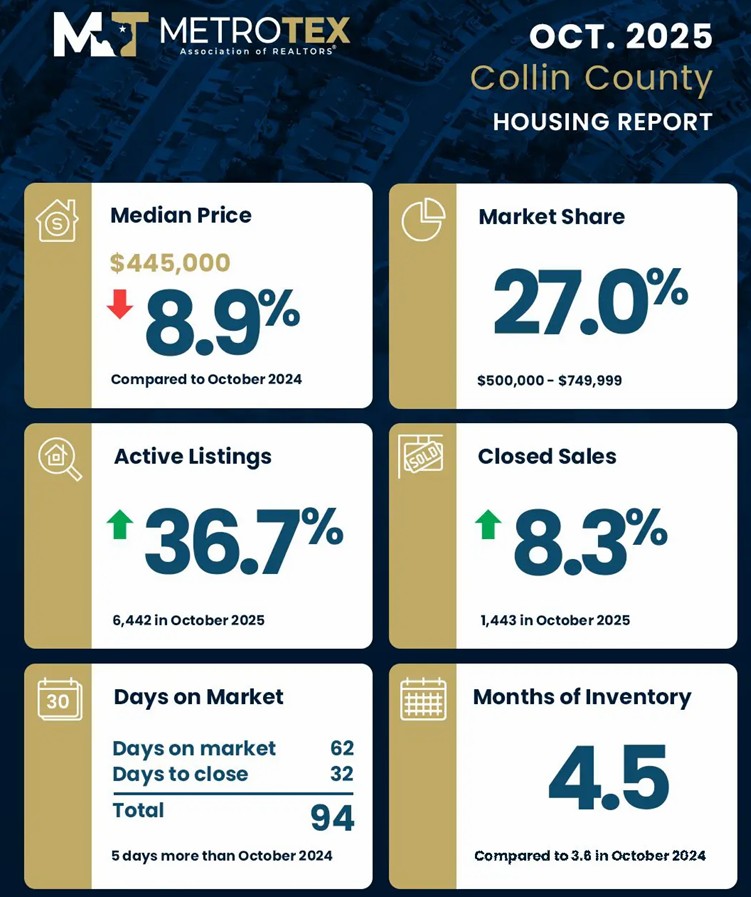
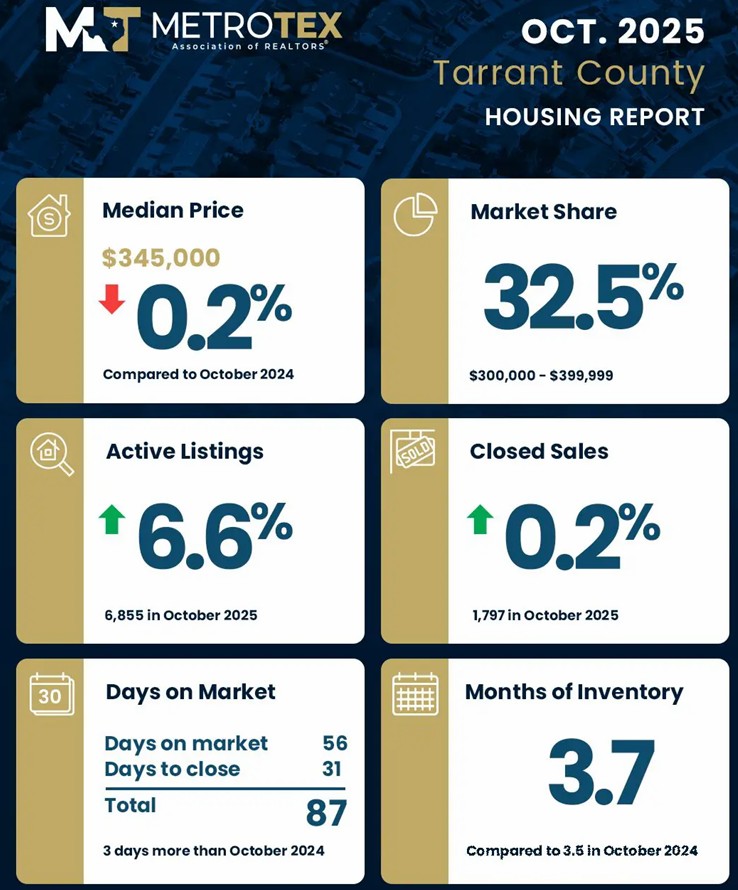
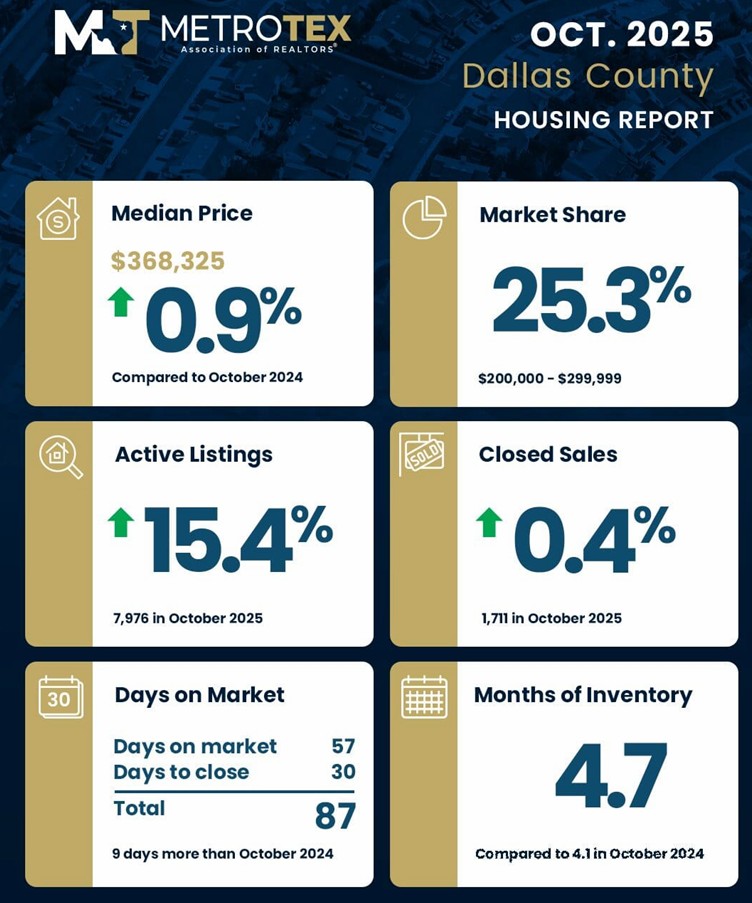
Local Market Reports

Notes from a few of our residents and other landlords!
"Angela is amazing! Give her a call if you need to talk about renting your property. Great company. "
~Reece R.
"I leased a home for 2 years that was serviced through this property management group. Overall, they were professional, timely, and had user friendly applications for payment and maintenance requests. We did encounter a misunderstanding in regards to the refund of our security deposit, however 3G reviewed our dispute and resolved our claims within a week or so.
I will definitely consider using 3G to manage my rental properties as I begin to acquire them."
~Sawyer S.
"Sarah and her operations team made it an easy and smooth transition as a first time landlord. From listing, to finding a tenant, they made me feel at ease. I would highly recommend 3G for leasing and Property Management! "
~Jake F.